Nutritional Wisdom from Northern Lands
Discover the vitamins, minerals, and essential nutrients naturally present in traditional Nordic and Scandinavian food sources.
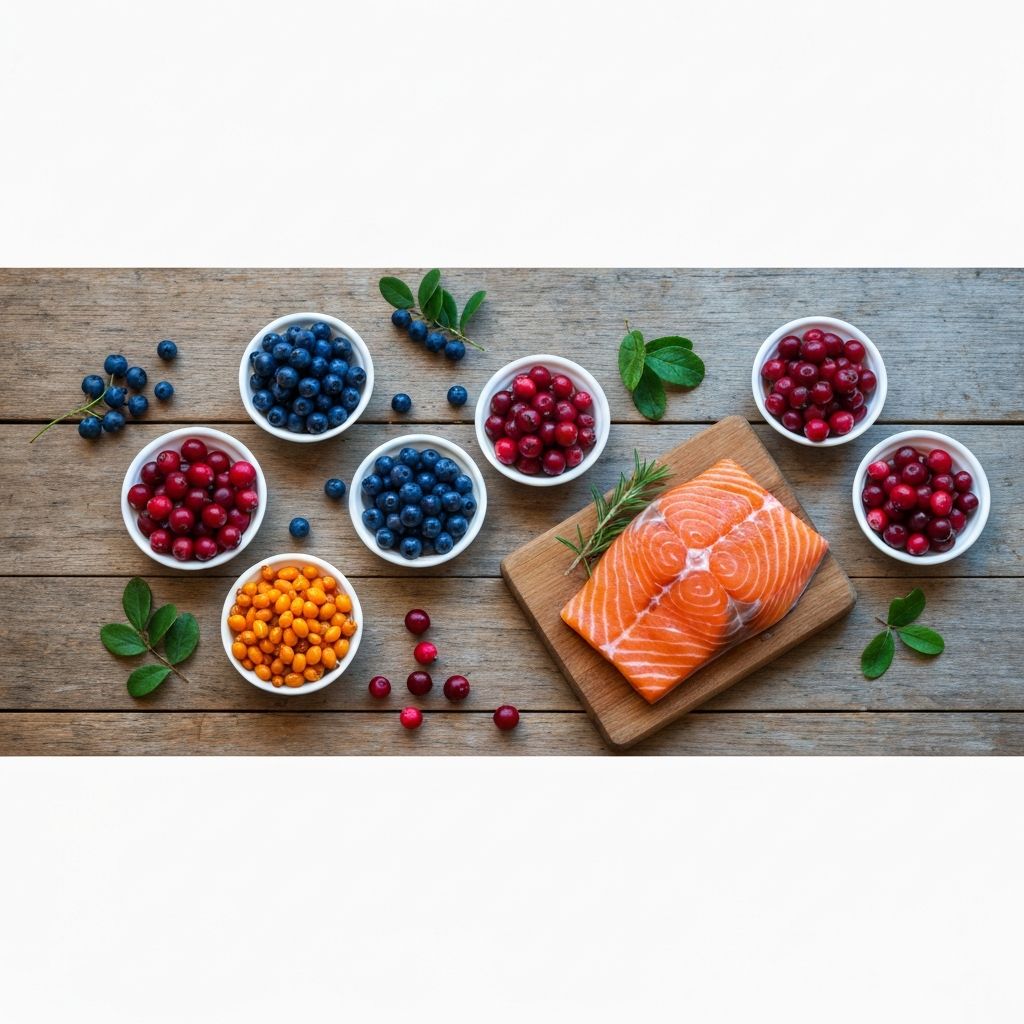
Introduction to Nordic Nutrients
The Nordic and Scandinavian diet has sustained populations in Northern Europe for centuries, drawing on naturally available resources—berries, cold-water fish, root vegetables, and traditional ingredients. This educational resource explores the nutritional composition of these foods and their naturally occurring vitamins and minerals.
This content is presented for informational purposes only. It describes scientific facts about food composition and general nutritional knowledge without making individual recommendations or health claims.
Vitamins in Northern Berries
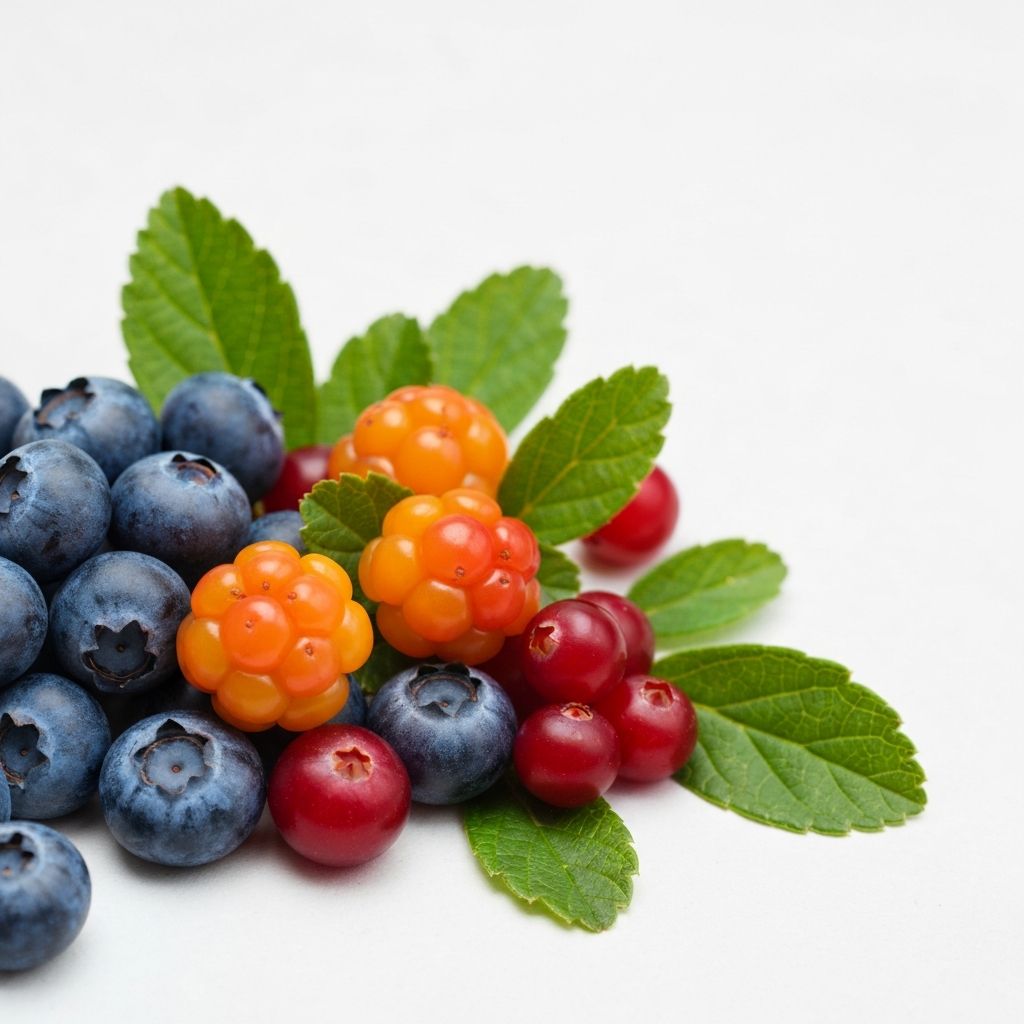
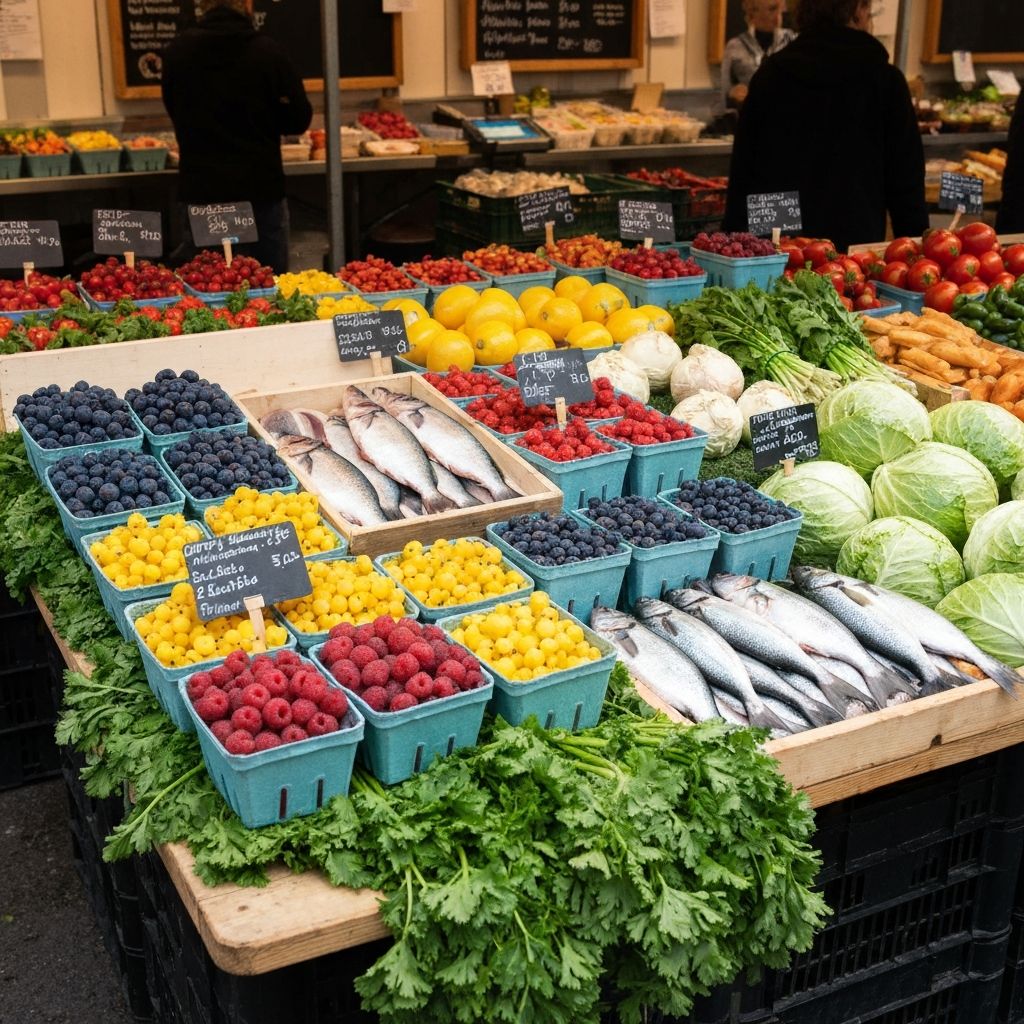
Northern berries—bilberries, cloudberries, cranberries, and sea buckthorn—are naturally rich in water-soluble vitamins. These small fruits contain significant concentrations of vitamin C, which plays a role in various metabolic processes.
Bilberries and cloudberries also contain B vitamins and natural antioxidant compounds. The nutritional density of these berries reflects their adaptation to Nordic growing conditions, where intense sunlight during summer months develops high nutrient content.
Featured Nordic Products
Explore the nutritional profiles of three fundamental ingredients in the Nordic diet:
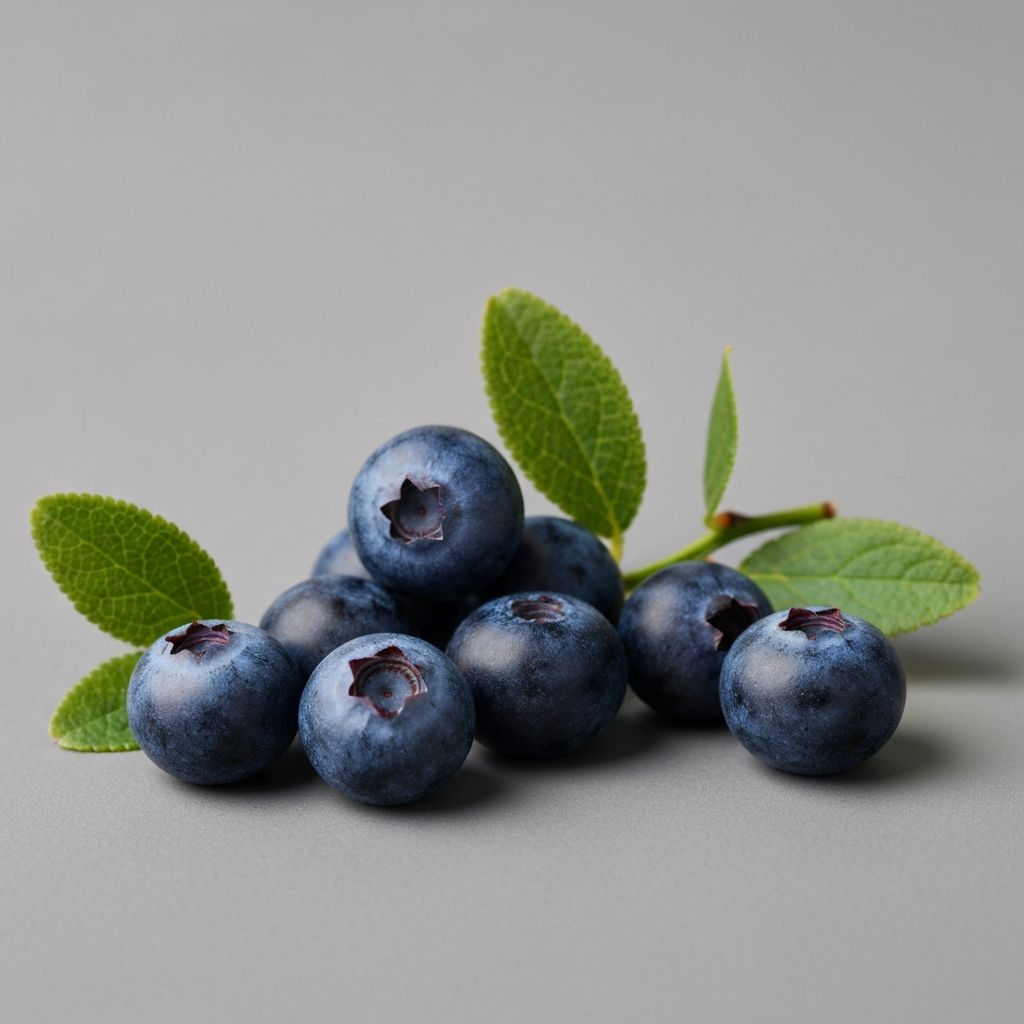
Bilberries
Primary Nutrients: Vitamin C, Vitamin K, Manganese, Anthocyanins
Bilberries are dark blue berries common in Northern forests. They contain high levels of vitamin C and naturally occurring compounds called anthocyanins. Research describes their composition in comprehensive nutritional databases.
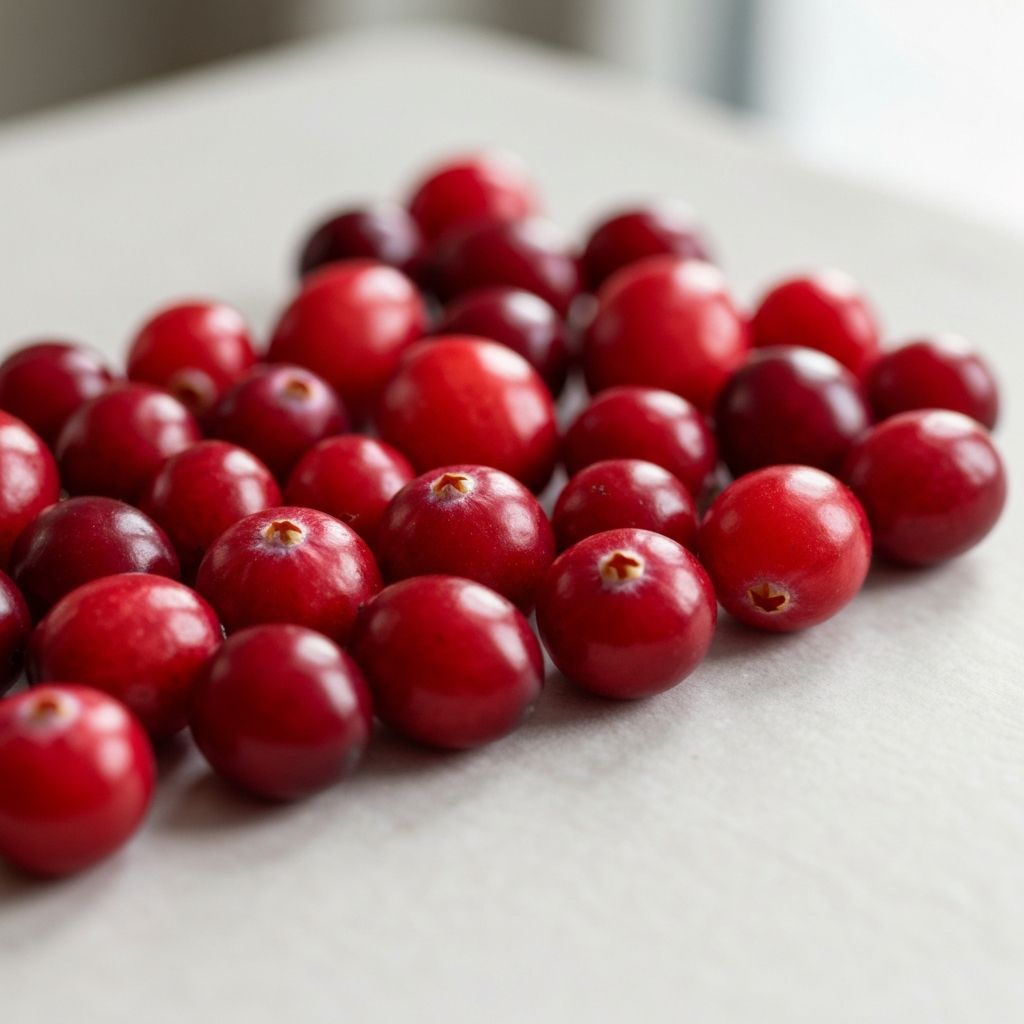
Cranberries
Primary Nutrients: Vitamin C, Vitamin K, Fiber, Proanthocyanidins
Tart cranberries grow in bog environments across Nordic regions. They are particularly high in vitamin C and contain fiber. Their nutritional composition is documented in academic food science literature.
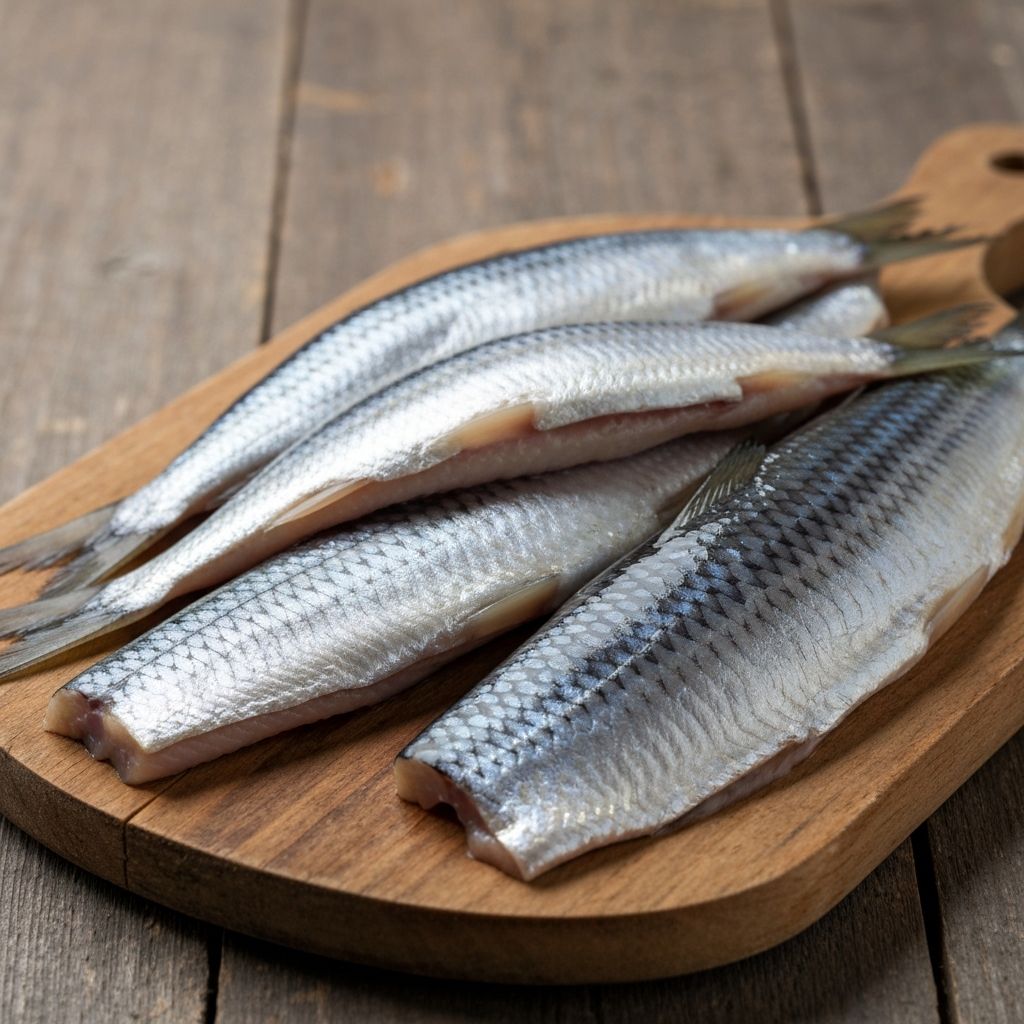
Herring
Primary Nutrients: Omega-3 Fatty Acids, Vitamin D, Selenium, B Vitamins
Atlantic herring is a cold-water fish central to Scandinavian cuisine. It naturally contains high levels of omega-3 fatty acids and vitamin D. The nutrient composition reflects its marine origin.
Minerals from Cold-Water Fish
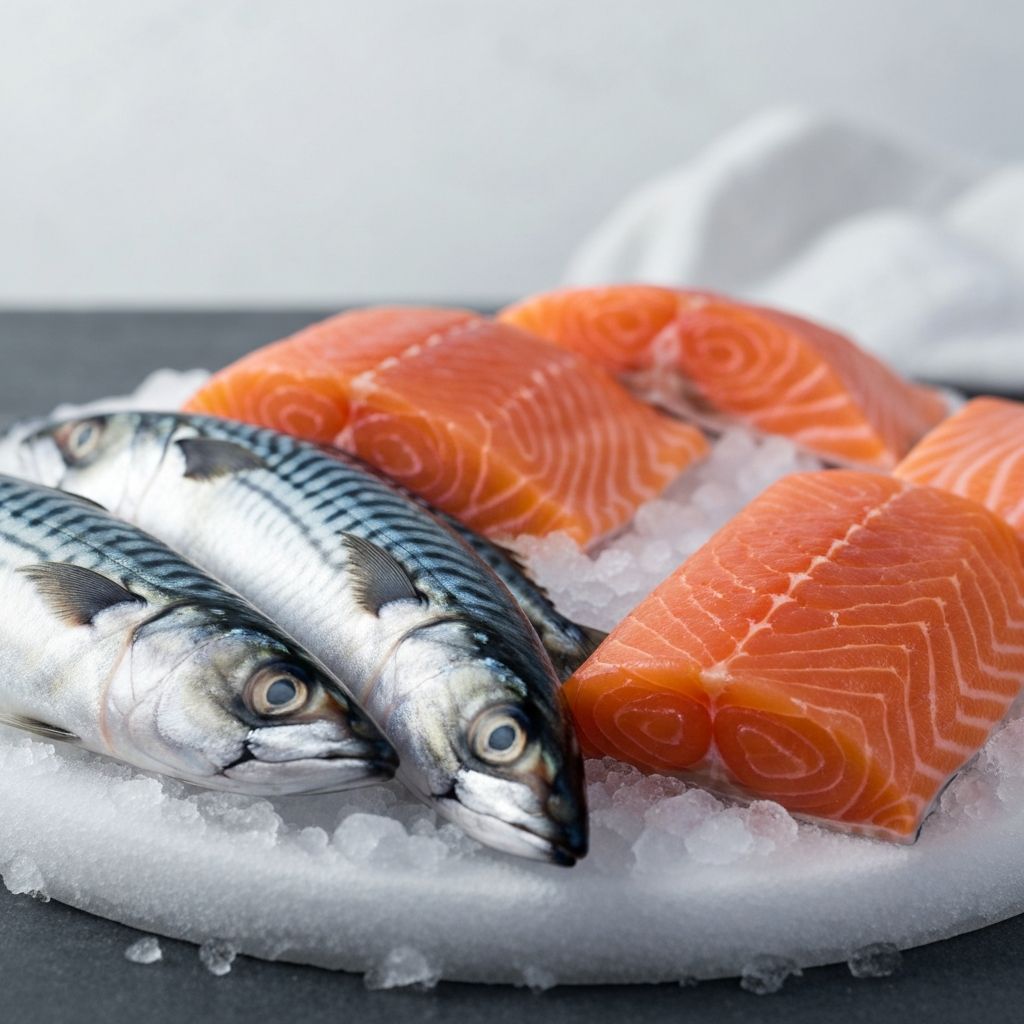
Cold-water fish species—salmon, mackerel, herring, and trout—from Northern seas and fjords are natural sources of mineral content including selenium, iodine, and phosphorus.
These species accumulated minerals from their marine environments. Selenium appears in concentrations in fish tissue. Iodine, essential for metabolic function, naturally occurs in seafood. Phosphorus and other mineral content reflects the marine ecosystem.
Role of Omega-3 in Seafood
Omega-3 polyunsaturated fatty acids are naturally present in cold-water fish. Scientific literature documents that these fatty acids comprise a significant portion of fish lipid content, particularly in species adapted to cold marine environments.
Fish obtain omega-3 fatty acids through their diet of smaller organisms and algae. The concentration in tissue relates to water temperature and feeding ecology. This compositional data is recorded in nutritional science databases and food composition tables used in research and education.
Omega-3 fatty acids are categorized as essential fatty acids in human nutrition science, meaning the body requires external dietary sources. Their role in various metabolic pathways is described in biochemistry and nutrition textbooks.
Root Vegetables in Nordic Diet
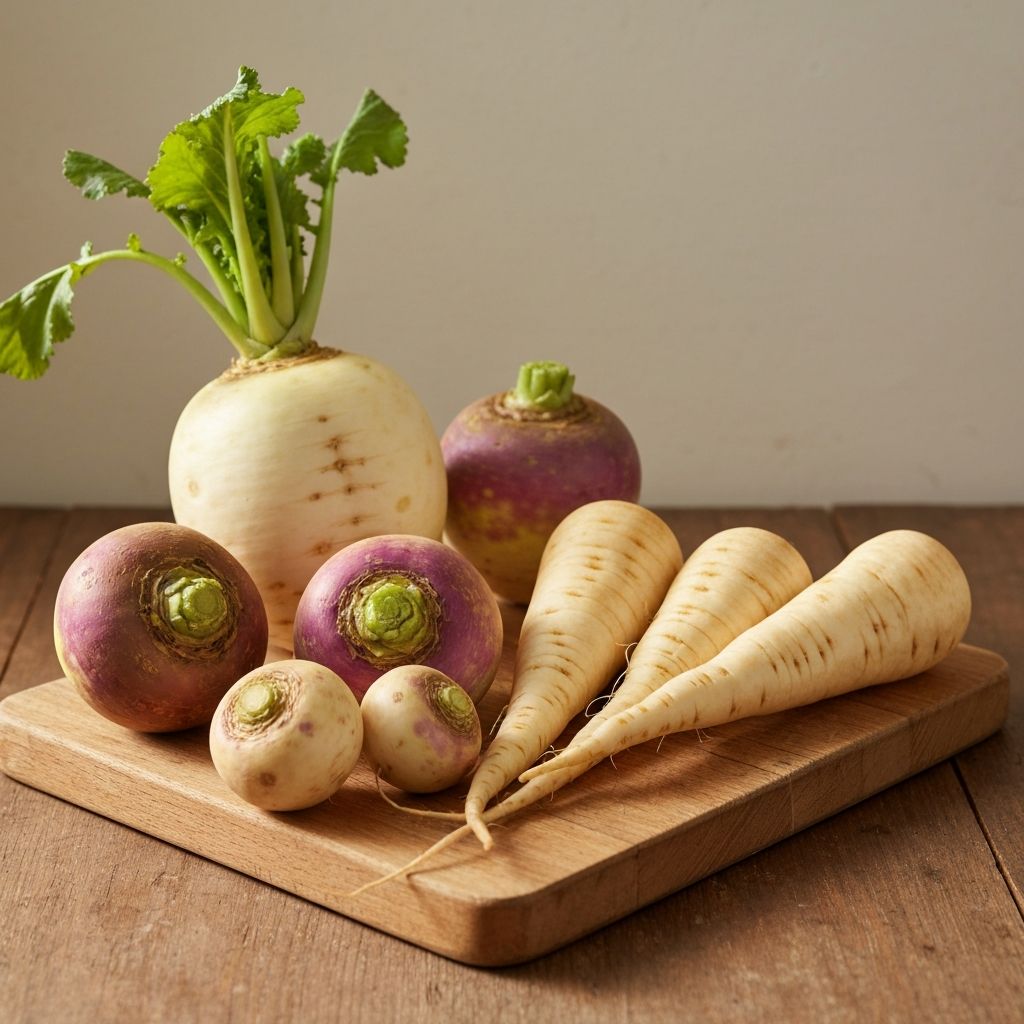
Northern root vegetables—turnips, rutabagas, parsnips, and carrots—store nutrients across long seasons. These crops were historically preserved for winter consumption in Scandinavian and Northern European communities.
Root vegetables contain various vitamins and minerals depending on species: carrots are known for beta-carotene (vitamin A precursor), turnips contain vitamin C, and parsnips provide fiber and mineral content. Their nutritional profile develops during growing season and remains relatively stable during proper storage.
Sea Buckthorn: Nutritional Profile
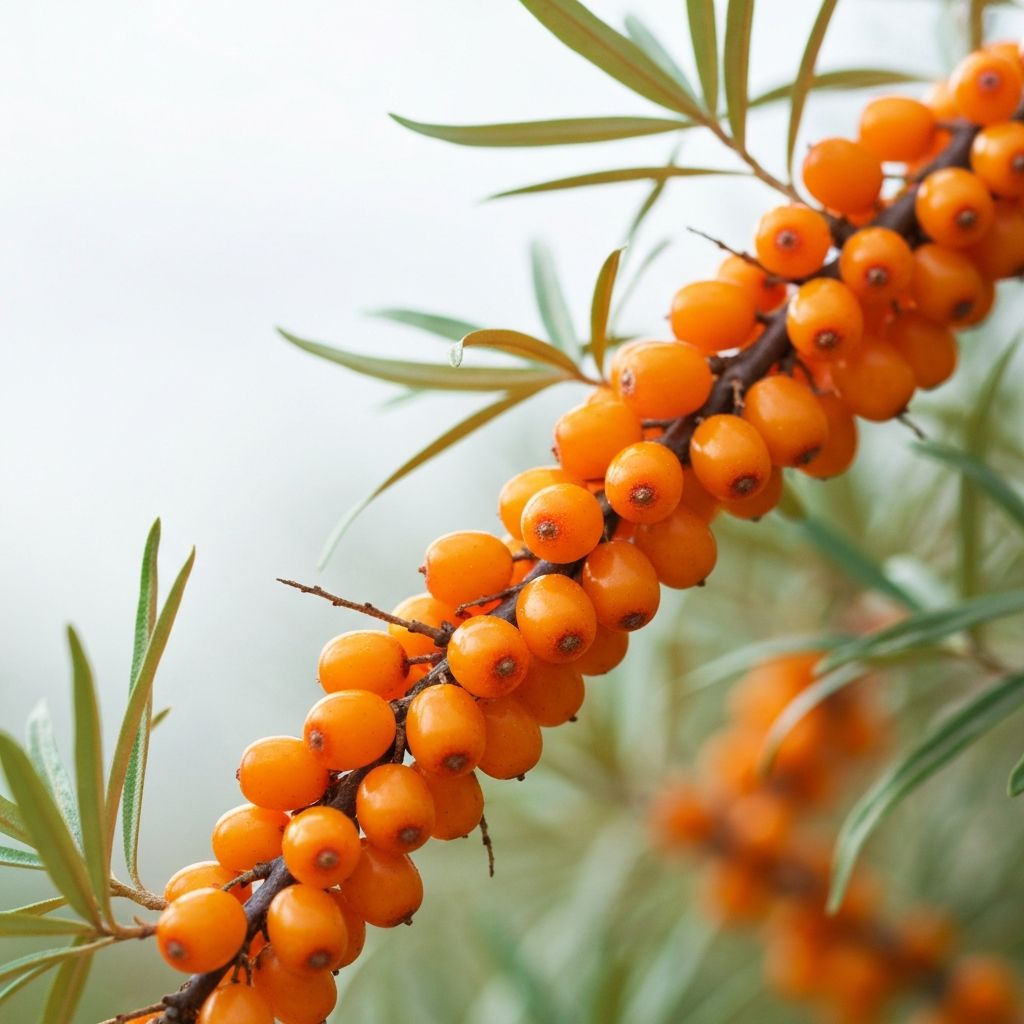
Sea buckthorn berries, native to Northern regions, are characterized by exceptionally high vitamin C content—higher than most berries. They also contain vitamin E, vitamin A (from carotenoids), and various minerals.
The yellow-orange coloring indicates carotenoid content. Sea buckthorn historically appeared in Northern traditional food systems and is documented in contemporary nutritional science as a nutrient-dense ingredient. Modern food composition databases record detailed micronutrient levels.
Common Questions About Nordic Nutrition
What makes Nordic diet distinctive nutritionally? +
The Nordic diet reflects available natural resources in Northern climate zones: cold-water fish, seasonal berries, root vegetables, and preserved foods. These ingredients combine specific micronutrient profiles developed through adaptation to Northern growing conditions and marine environments.
Are Nordic berries nutritionally superior to other berries? +
Different berries contain different nutrient profiles. Northern berries such as bilberries and sea buckthorn have documented high concentrations of specific vitamins and compounds. Nutritional superiority depends on individual nutrient comparison, not general ranking. Food composition varies by species, growing conditions, and harvest timing.
Why are cold-water fish emphasized in Scandinavian cuisine? +
Cold-water fish species were historically abundant and available year-round in Northern seas and are naturally rich in omega-3 fatty acids and vitamin D. Their preservation through salting, smoking, and fermentation made them reliable food sources. Modern nutritional science documents their micronutrient content.
Can root vegetables provide complete nutritional value? +
Root vegetables contain various vitamins and minerals but represent one food category among many. A balanced diet incorporates diverse food sources. Root vegetables contribute specific nutrients: beta-carotene, vitamin C, fiber, and minerals. Their role is one component in overall eating patterns.
How is nutritional information in this resource compiled? +
This content describes general nutritional knowledge from academic food science, published nutrition research, and standard food composition databases. Information is educational and general in nature, not personalized analysis or recommendation.
Diversity in Northern Ingredients
Nordic and Scandinavian food systems encompass wide diversity beyond the most familiar products. Traditional ingredients include various mushroom species, grains (rye, barley), legumes, seeds, and preserved preparations.
This diversity reflects regional variation across Nordic countries and seasonal changes. Food choices throughout year involved different ingredients and preparation methods. Modern understanding of Nordic nutrition accounts for this historical diversity and regional specifics.
References and Further Information
This educational content draws on established nutritional science and food composition research:
- USDA FoodData Central - Comprehensive nutrient database
- Eurostat and Nordic Statistical databases - Food composition standards
- Journal of Agricultural and Food Chemistry - Food nutrient studies
- International Society for Horticultural Science - Crop nutrient research
- World Health Organization - Nutritional guidelines and frameworks
- FAO/WHO Expert Consultations - Food science and nutrition standards
Educational Context and Next Steps
This resource explains nutritional concepts related to Nordic food sources. Information is presented as general knowledge about food composition and nutritional science, not as personalized guidance.
To explore specific topics further: